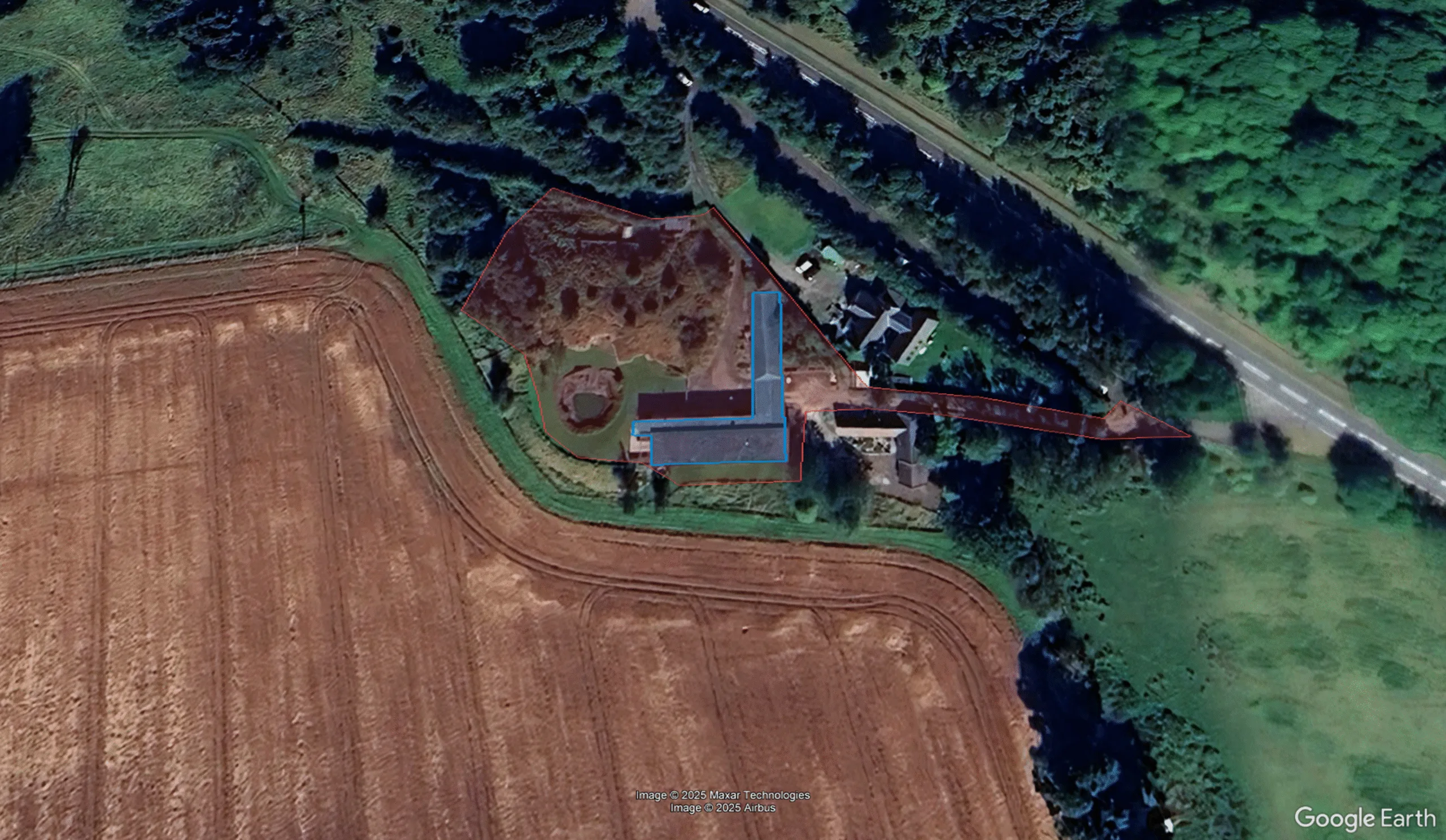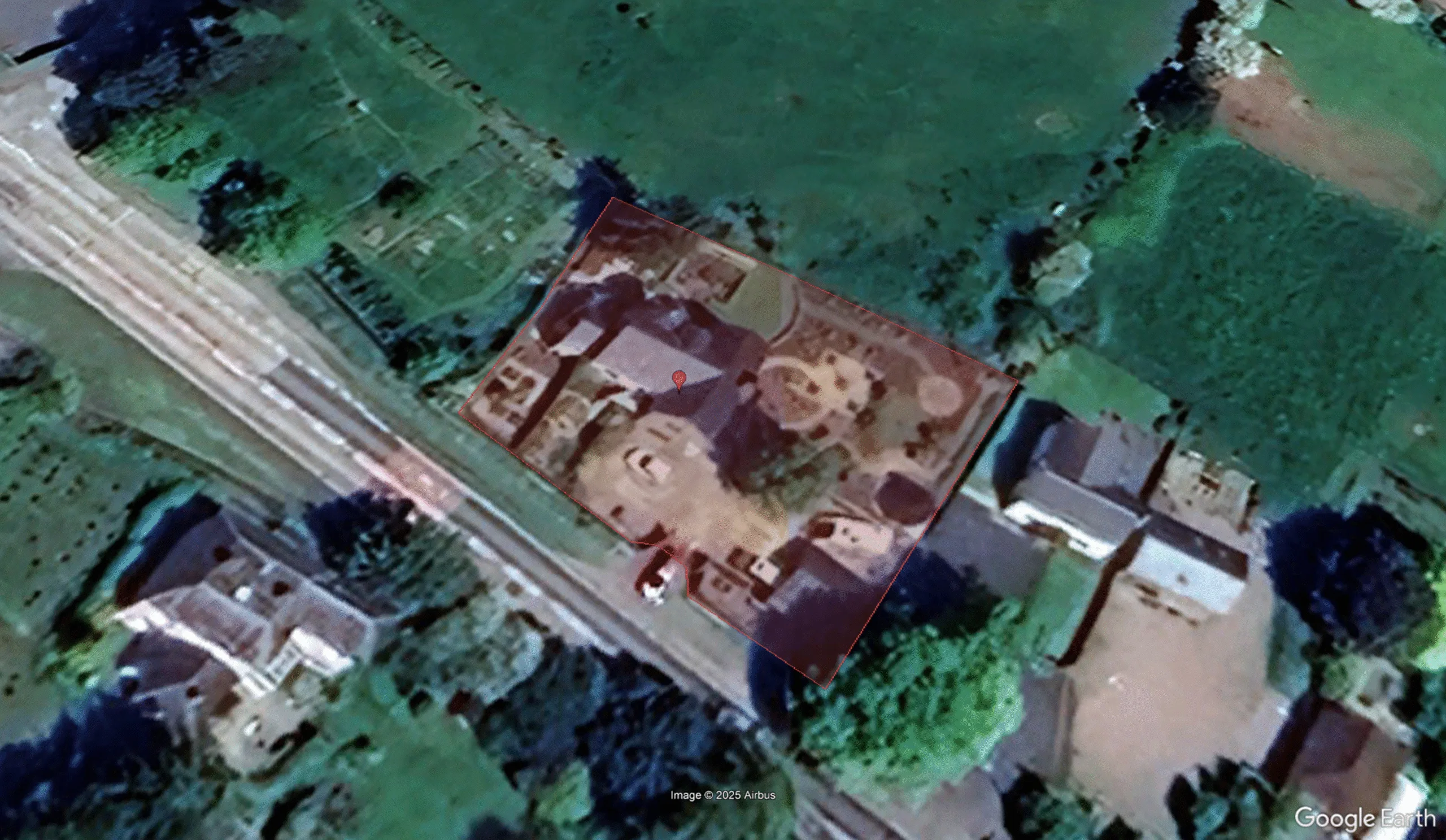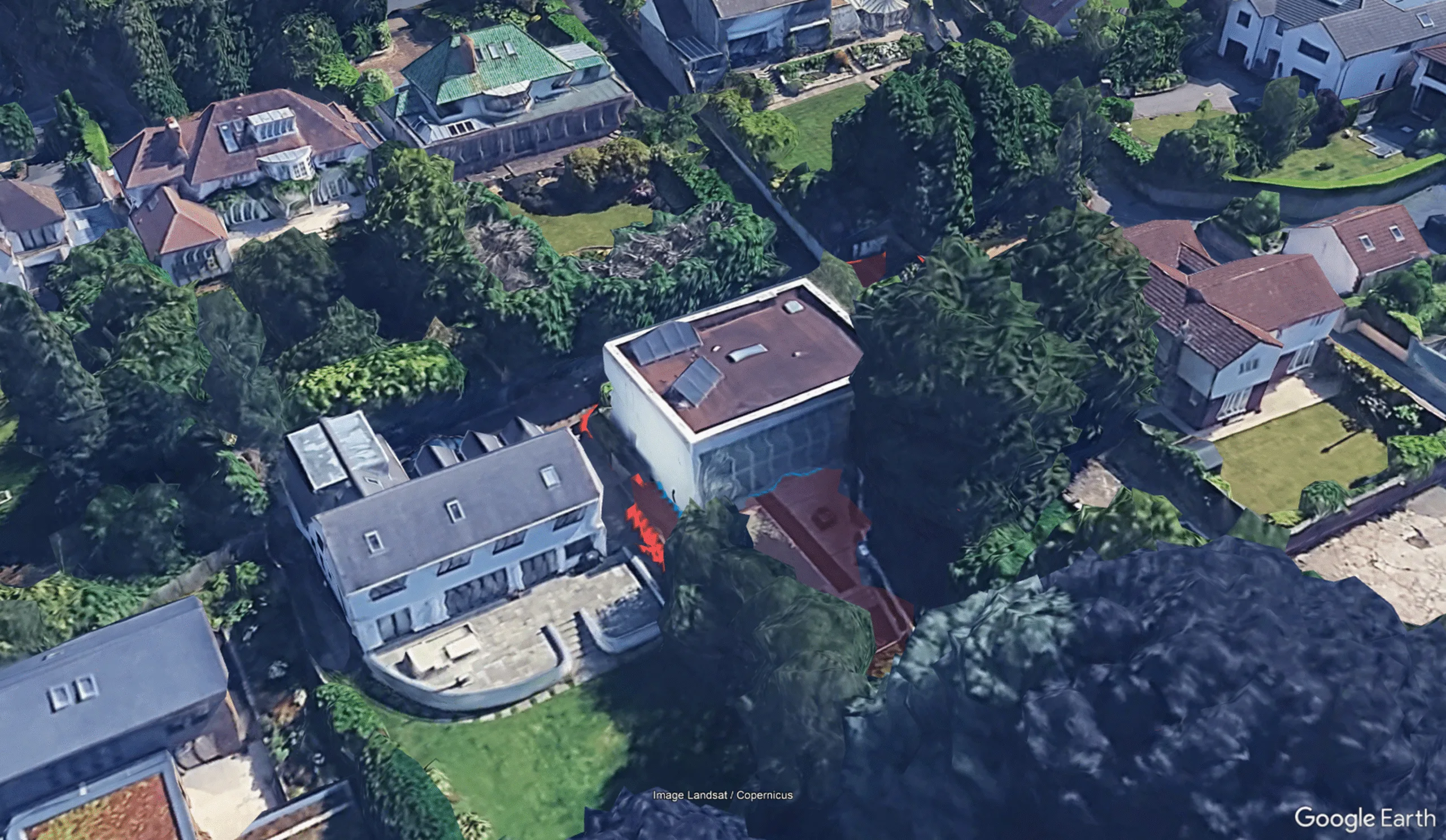
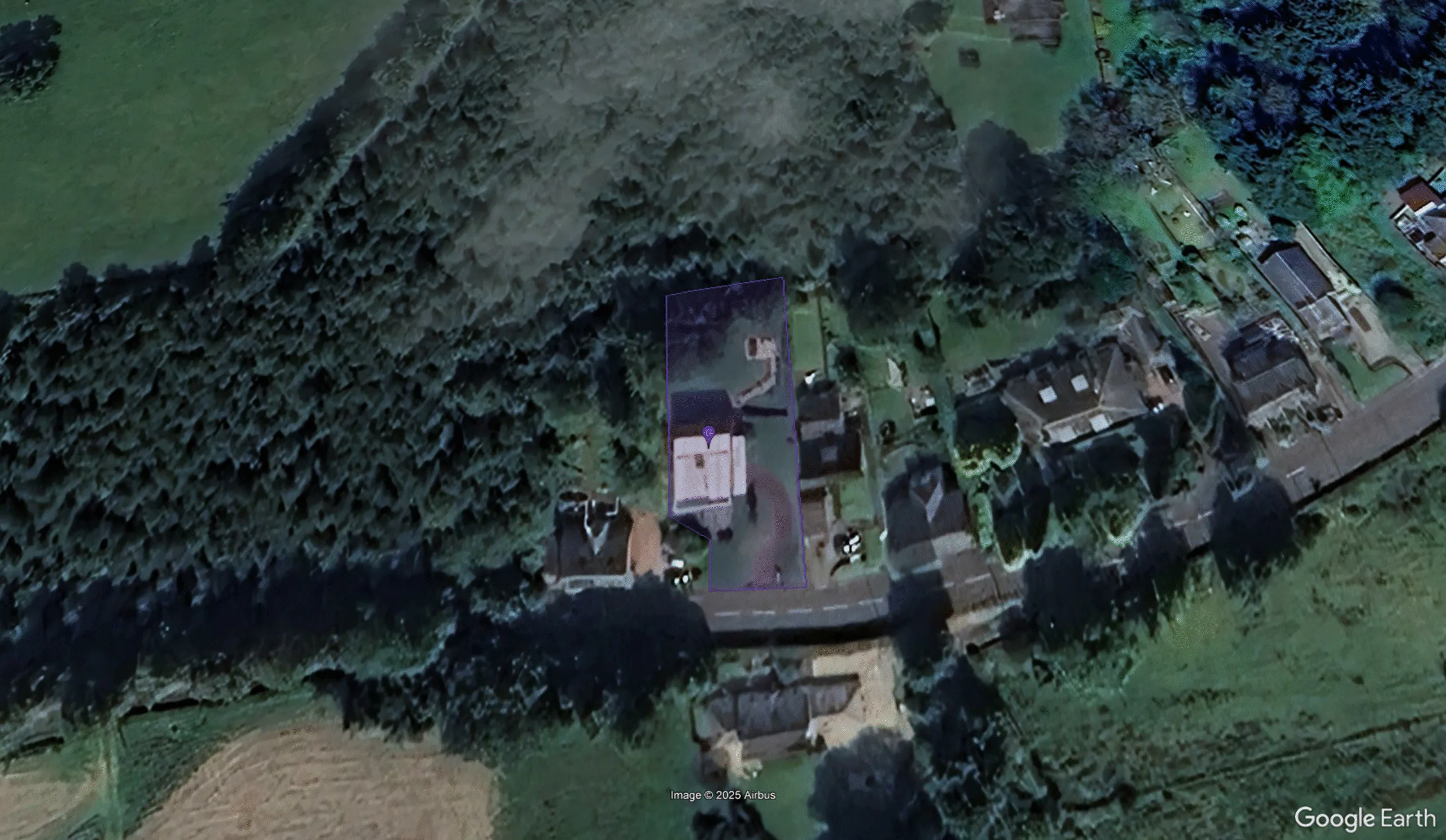
Tao and Elaine’s cedar-clad self-build promised a compact, efficient family home built from the best materials they could source around the world. But the project raises a more awkward question. If better building fabric makes energy cheaper to use, do occupants actually consume less, or do they simply live warmer, longer and more comfortably? Through the lens of Jevons Paradox, this review explores the hidden carbon cost of imported materials, the risk of split responsibility, and why sustainability claims only hold up when performance, behaviour and specification all work together.
Become a (free) member to keep reading
To help protect my work from web scraping, I've placed it behind this membership wall. Join today to get access to all content for free.
Already an MTBO Member? Log in to MTBO