
[58] 10% smaller, £45,000 cheaper: would you notice the difference?
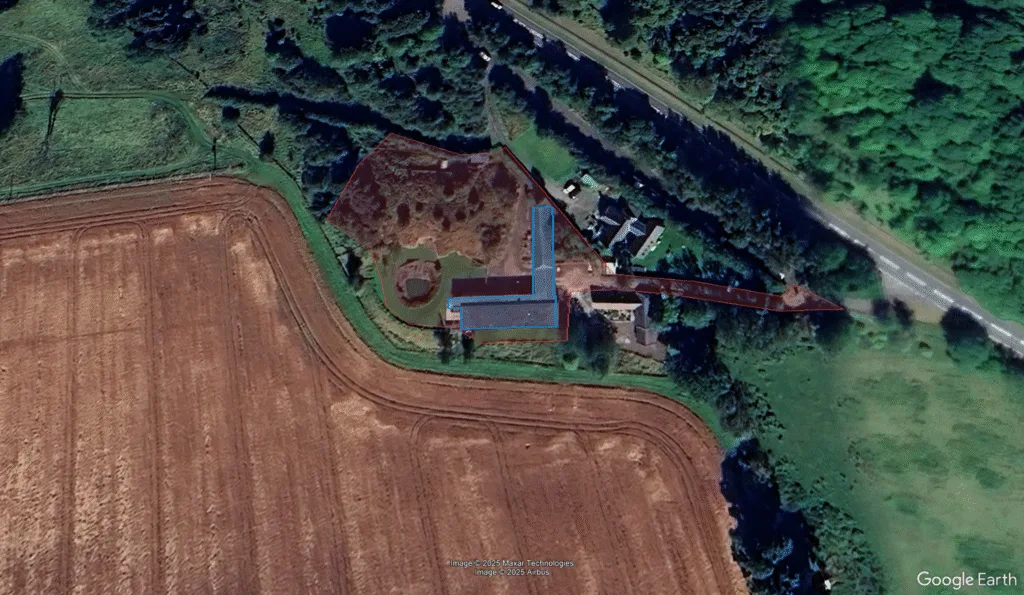
This 394m² house earned its place beside historic lime kilns, but its owner later reflected that it could have been 10% smaller and £45,000 cheaper. What can self-builders learn from a carefully planned home that was still larger than necessary?
Put a Number on What Works

In Your Daily Routine Is Research for Your Self-Build post, we started recording what we like and dislike about the things we use every day. The comfortable bath. The awkward kitchen cupboard. The shower that makes you want to stay in for another five minutes. Those observations give us the beginnings of a self-build specification. […]
[57] The Gothic House Set Within Generous Gardens
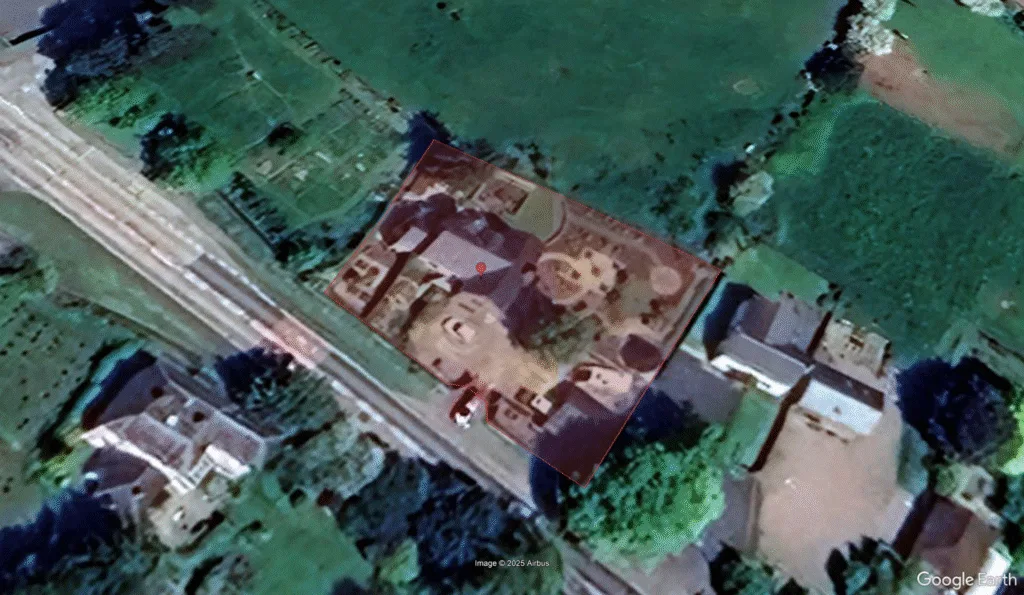
Jo and Shaun’s Gothic home attracted plenty of criticism over its proportions, but its generous gardens give the finished house a different perspective. Behind the carved staircase and stained glass lies a self-build shaped by gaps in project management, mounting costs and family lending that kept construction moving.
Your Daily Routine Is Research for Your Self-Build
In How Big Is Big Enough?, we looked at establishing a realistic starting point for the size of your self-build by understanding what average house size looks like. Next is an on-going activity to work out what you need within that space. Your daily routine gives you somewhere to start. Every time you cook dinner, […]
[56] How Experience Kept a High-Spec Self-Build on Budget
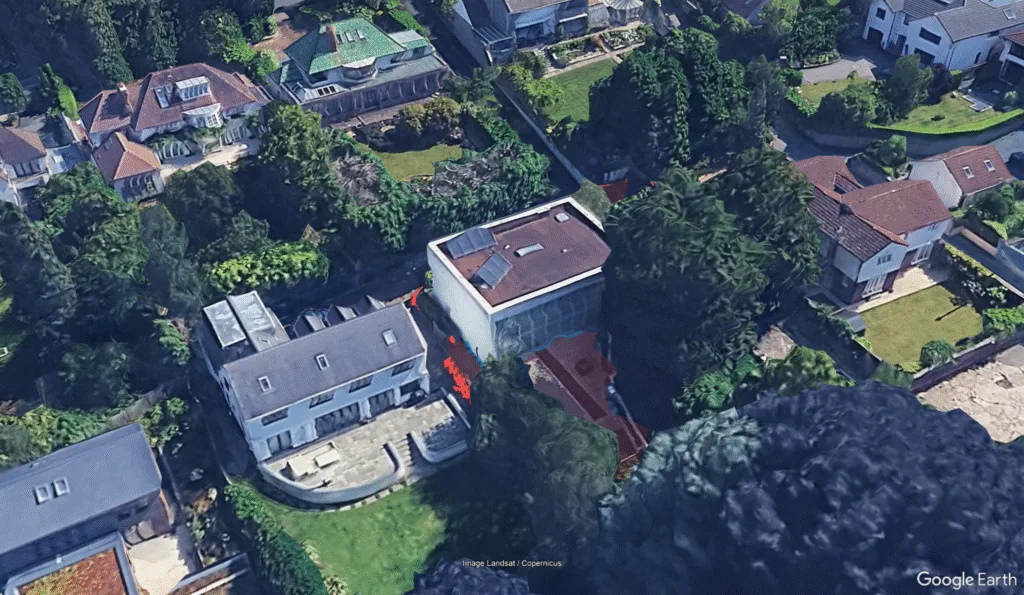
Switchable glass, a steel frame and a demanding minimalist finish could easily have stretched this Bristol self-build beyond its budget. Martin and Katherine kept spending under control, but the result relied heavily on professional experience and architectural work supplied without charge. How much could another self-builder realistically replicate?
[55] When Architectural Ambition Doubles the Build Time
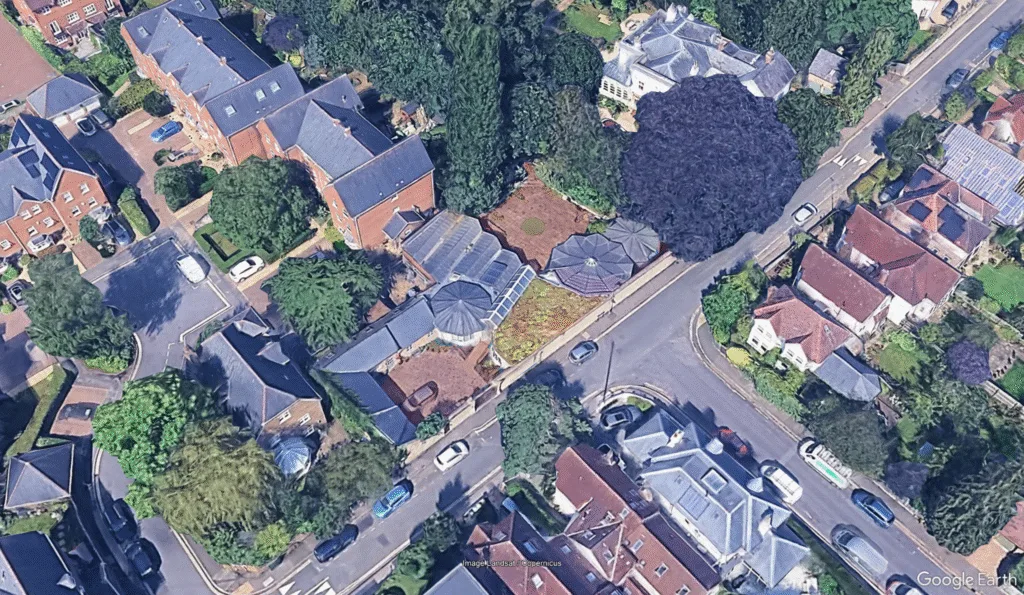
Henry Chopping’s Decagon House brought ten-sided rooms, curved timber beams and copper roofing to a constrained Oxford plot. But bespoke details, late orders and competing demands on his time helped turn a nine-month ambition into an eighteen-month build. This review explores the coordination behind an unusual home, unequal access to capital and whether the pursuit of architectural detail delivers the long-term value we want from self-building.
[54] How 90 Objections and £3,500 Monthly Interest Shaped an Underground House
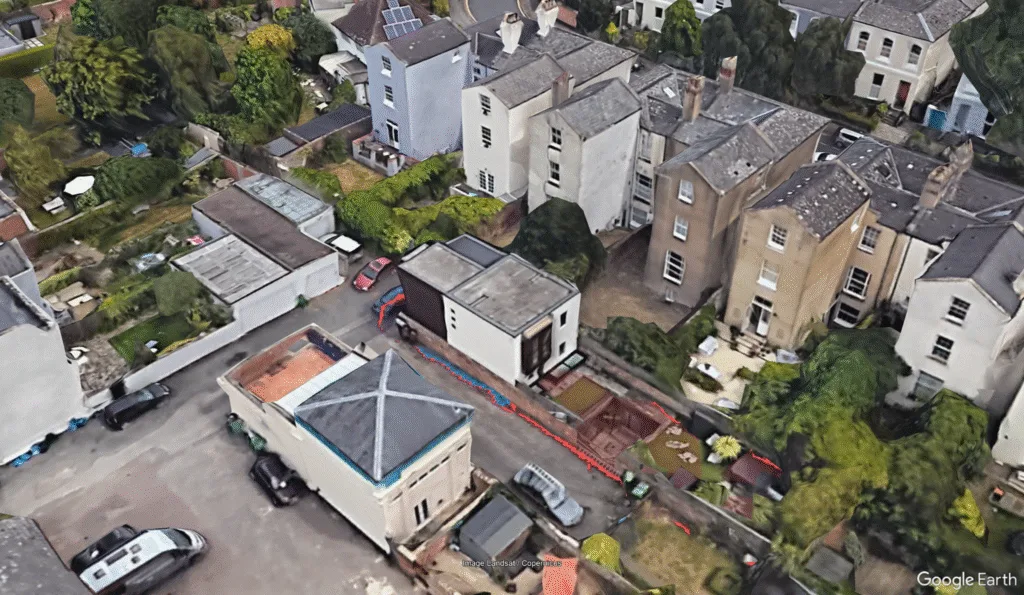
Tim and Zoë Bawtree set out to replace their draughty Regency townhouse with an efficient underground home built in its garden. Their proposal attracted a reported 90 objections, while the project exposed them to £3,500 a month in interest as they waited for the original house to sell. An unfamiliar construction system, serious leaks and an £80,000 claim against their fixed-price contract added further pressure. This review examines how the restricted plot shaped the design, why the financial risks became connected and whether the finished home justified the difficult route taken to build it.
[53] How a Second House Rescued an Unrealistic Budget
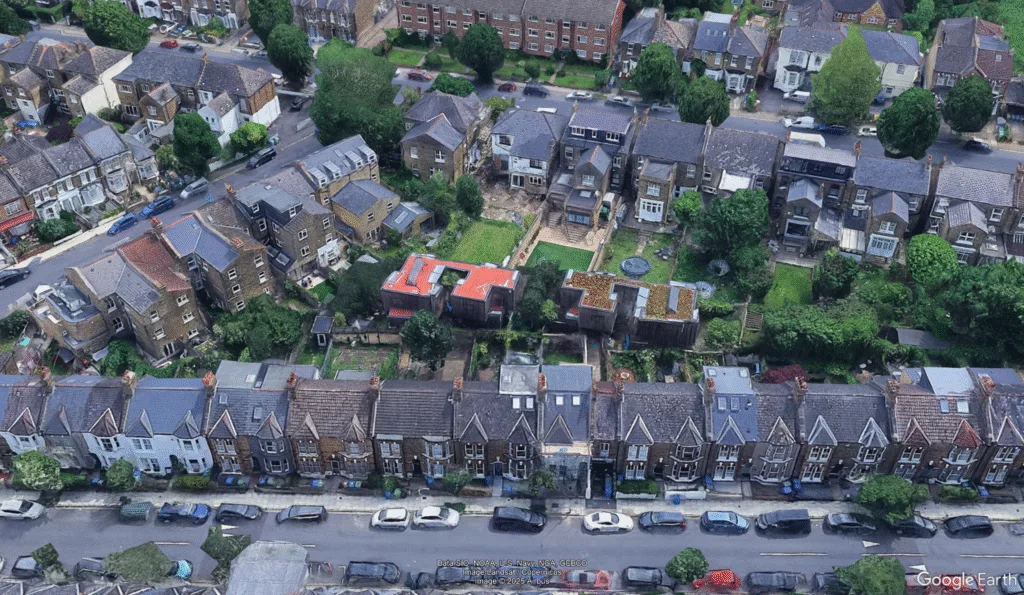
Master joiner Bill Bradley turned a cramped former workshop in Dulwich into two glass-and-timber eco homes, intending to sell one to pay for the other. An unrealistic budget, delayed glazing and an escalating specification pushed costs from £450,000 to almost £800,000. The second house eventually sold for £850,000, rescuing a financial plan that had left little room for failure.
[52] The Hidden Risk of Doing Everything Yourself

Kelly and Masako Neville built a highly bespoke hexagonal eco-home on six acres in the Cambridgeshire Fens for an unusually low construction cost, largely because Kelly supplied most of the skilled labour himself. His carpentry experience made the project possible, but it also concentrated an uncomfortable amount of risk into one person. When the sale of their previous home collapsed, cashflow dried up and the build nearly stalled completely. The result is an impressive example of what hands-on self-build can achieve, but also a warning about relying too heavily on your own labour, your own health and money that has not yet arrived.
Could a train station change where you look for land?
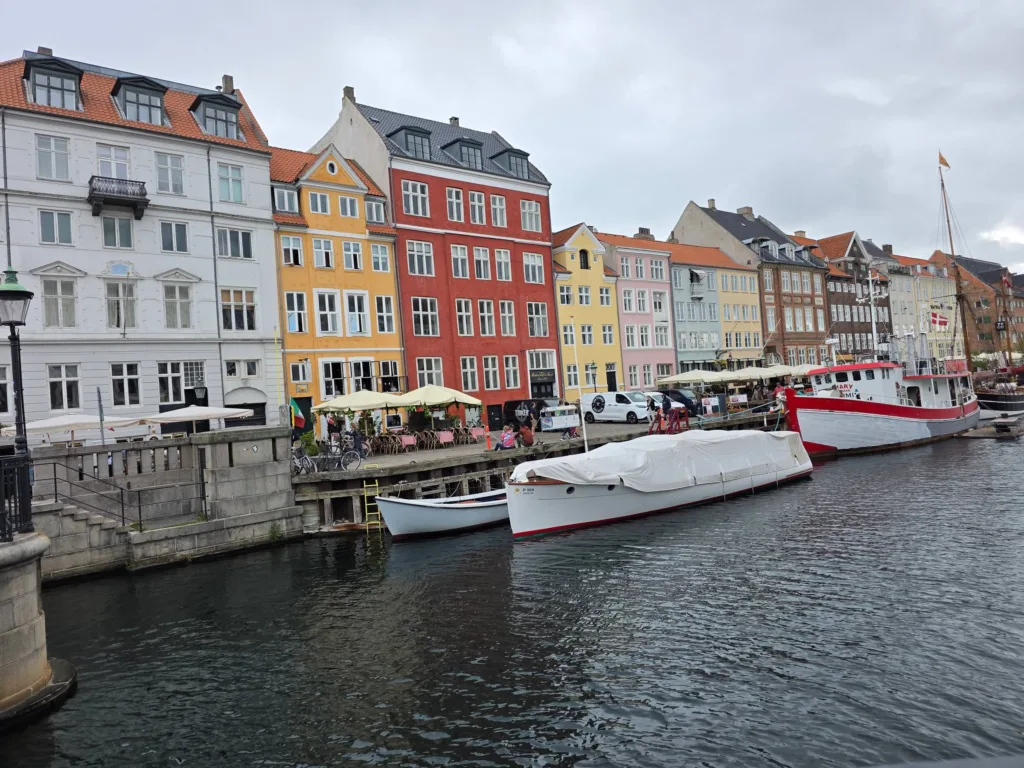
Good evening! I’ve just got home from a trip to Copenhagen so I am having to rush this weeks newsletter, as a compromise here’s a picture of Nyhavn! Apparently the buildings were coloured differently because the fishermen were illiterate so it helped inform them of where to deliver their cargo and where to report to. The colours then stuck as it formed part of the character of the district. I thought that was quite a simple but creative way to get around a problem. Nyhavn, Copenhagen I’ll…