
[32] How a Slab Pour Error Nearly Breached the Ridge Height Limit
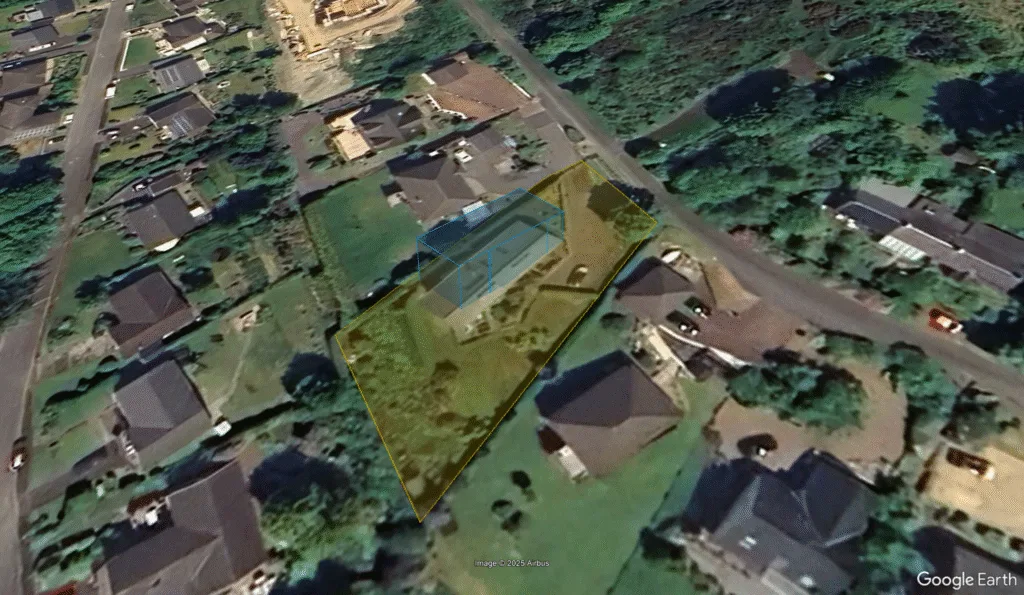
A simple slab pour should be one of the most routine stages of a build. But on this project, it nearly caused a planning breach.
By pushing the ridge height right up to the allowable limit, the design left no tolerance for error. When too much concrete was poured over the underfloor heating, that small mistake started to push into something much bigger. Floor levels rose, dimensions tightened, and suddenly the entire building height was at risk of exceeding what had been approved.
This is the hidden danger in designing to the absolute maximum. It works perfectly on paper, but it demands precision on site. Without it, even a basic task like pouring a slab can ripple through the whole project, turning a minor oversight into a structural and planning problem.
[31] Salt Air Rewrites the Rules of Material Selection
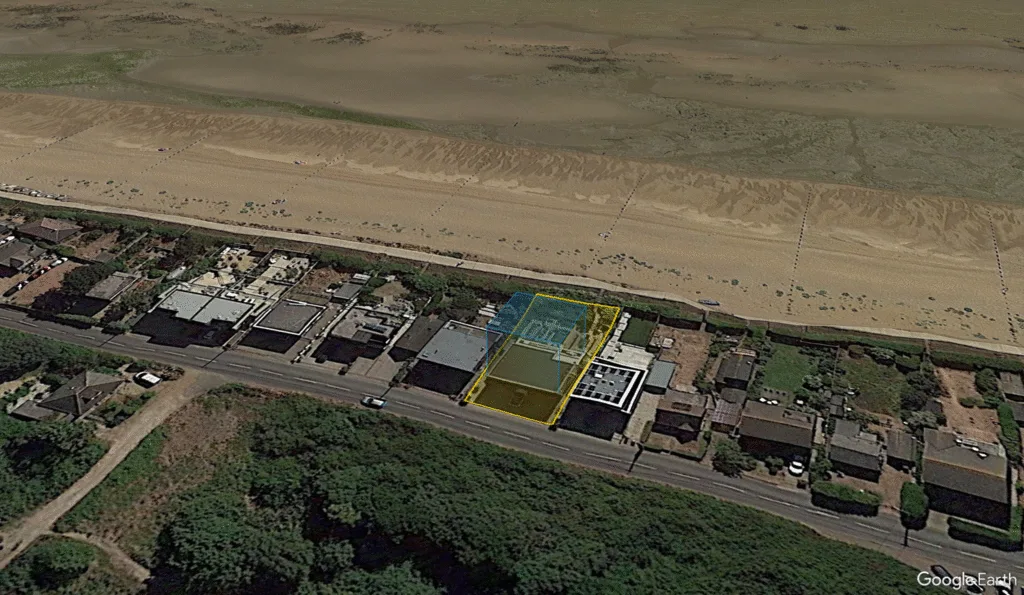
You might not realise it but coastal plots don’t follow the same rules as inland builds when it comes to material selection. What looks like a simple white box is actually a heavily engineered response to wind, salt, and shifting ground. Sea air accelerates corrosion, timber degrades faster, and standard material choices start to fail far sooner than expected. In this case, durability drove every decision, from dense blockwork to reinforced concrete and protective coatings. It’s a clear reminder that on exposed sites, material selection needs to be a strong consideration.
[30] How Curved Designs Introduce Complexity
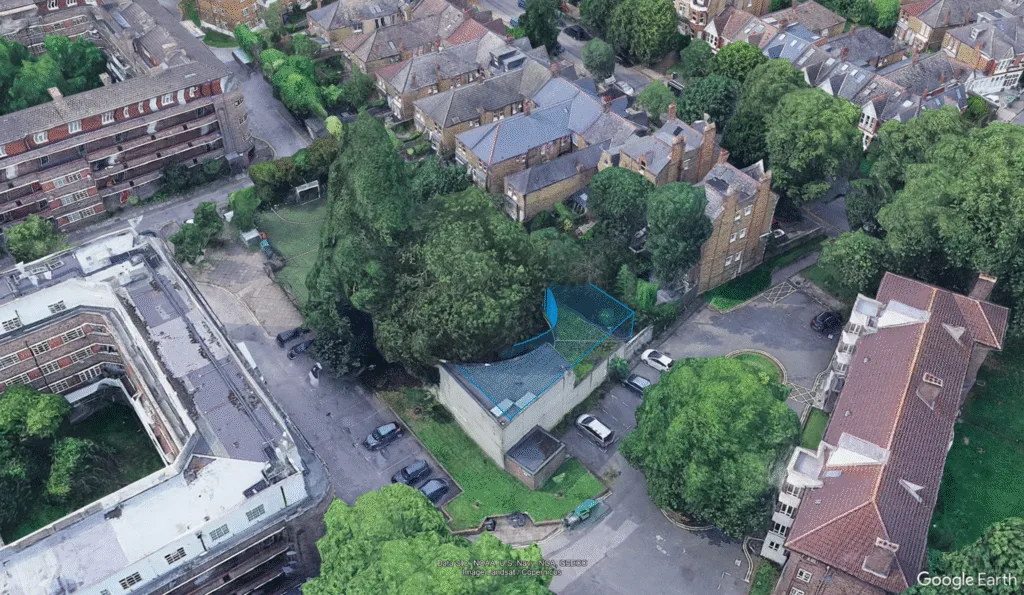
Curved design can look elegant on paper, but it introduces a level of complexity that straight-line construction largely avoids. Once a build depends on curves, every stage has to follow the same geometry with much tighter accuracy, from foundations and steelwork to glazing, cladding, and finishes. A small error early on does not stay local. It ripples through the rest of the project, creating delays, rework, and extra cost. The Curved House is a strong example of how architectural ambition can produce a beautiful result, while also showing that curves are not just a style choice. They are a buildability challenge that demands better surveying, tighter coordination, and far more respect for tolerances than a simple box-shaped home.
[29] A Fire Damaged Ruin, a 75% Overspend, and a Very High Tolerance for Risk
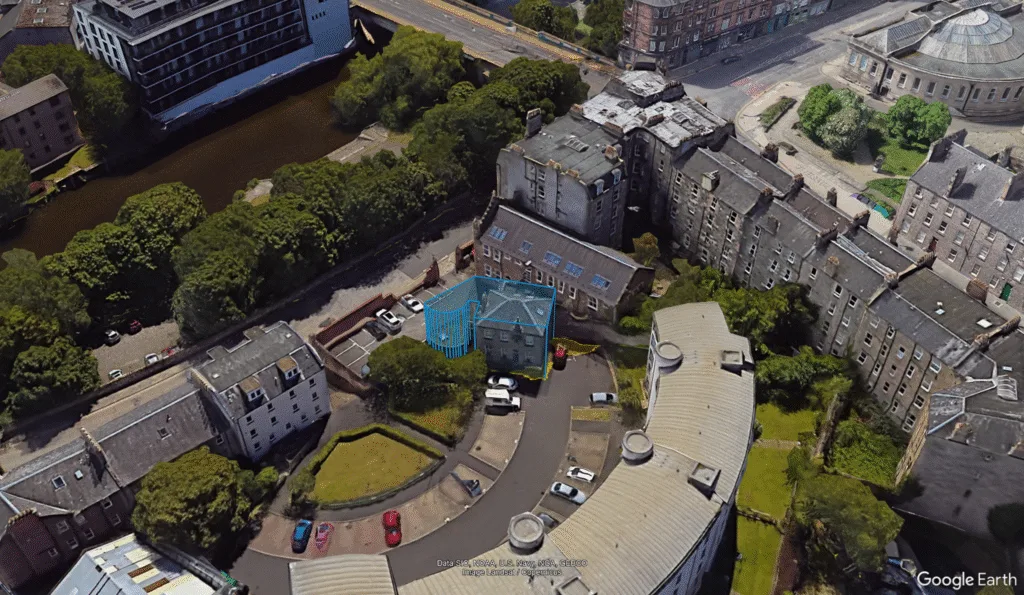
Behind this beautifully restored sandstone house sits a deeper lesson about self build risk tolerance. Reuben and April took on a fire-damaged ruin with minimal experience, adapted as problems appeared, and showed how a high tolerance for uncertainty can push a project forward or leave you badly exposed.
[28] The Kit House That Got Dearer When the Pound Got Weaker
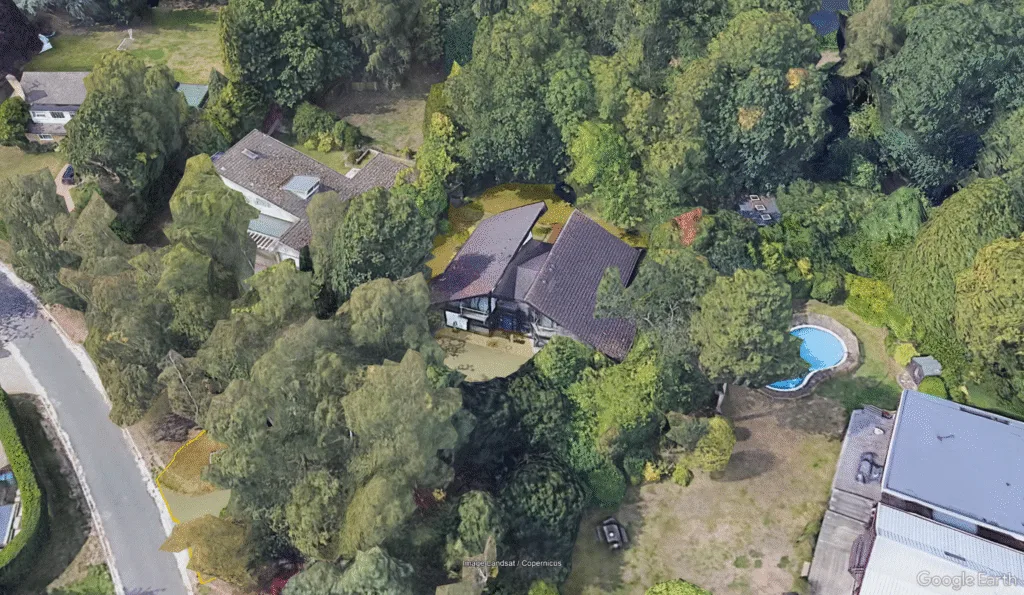
This Huf Haus promised certainty, speed, and German precision, but the real cost shock came before the build properly began when the pound weakened against the euro. It is a useful reminder that fixed price does not mean fixed cost if your budget is exposed to currency risk.
[27] Seven Party Walls and a 100 Percent Overspend
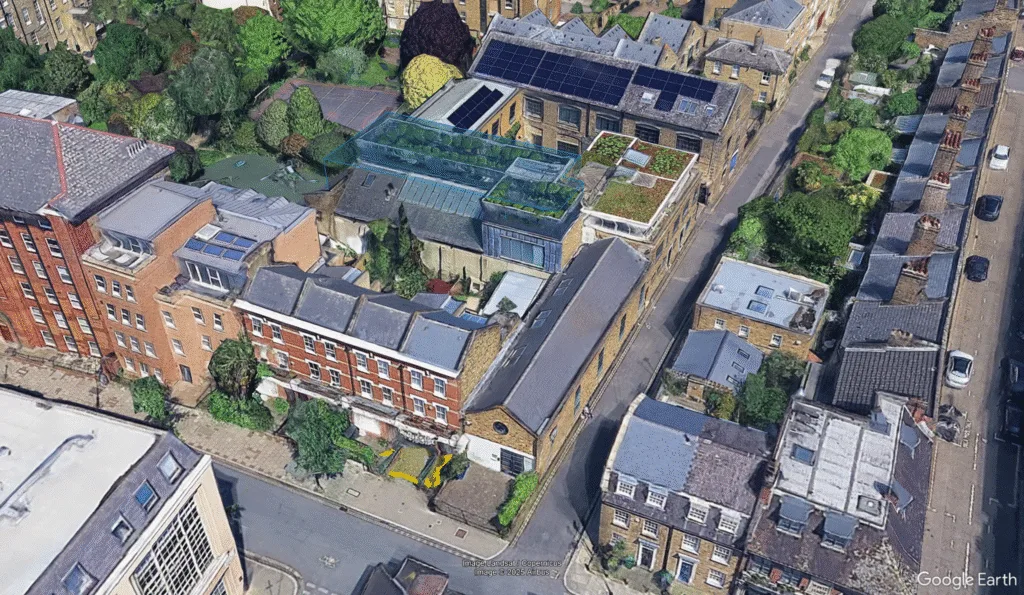
This build is a reminder that you do not just build a house, you build a relationship with everyone around it. Louise and Milko take on a backland London conversion with seven neighbours, party wall notices, access battles, and conservation scrutiny. The architecture is seductive, but the process is a masterclass in how small communication gaps become expensive legal problems, and how a 100 percent overspend can quietly creep in when the spec keeps getting tweaked.
New Right To Build Maps

New Right to Build maps page that makes it easy to see what is happening in your local planning authority.
[26] 1940s Electricity Substation into a Moroccan Home
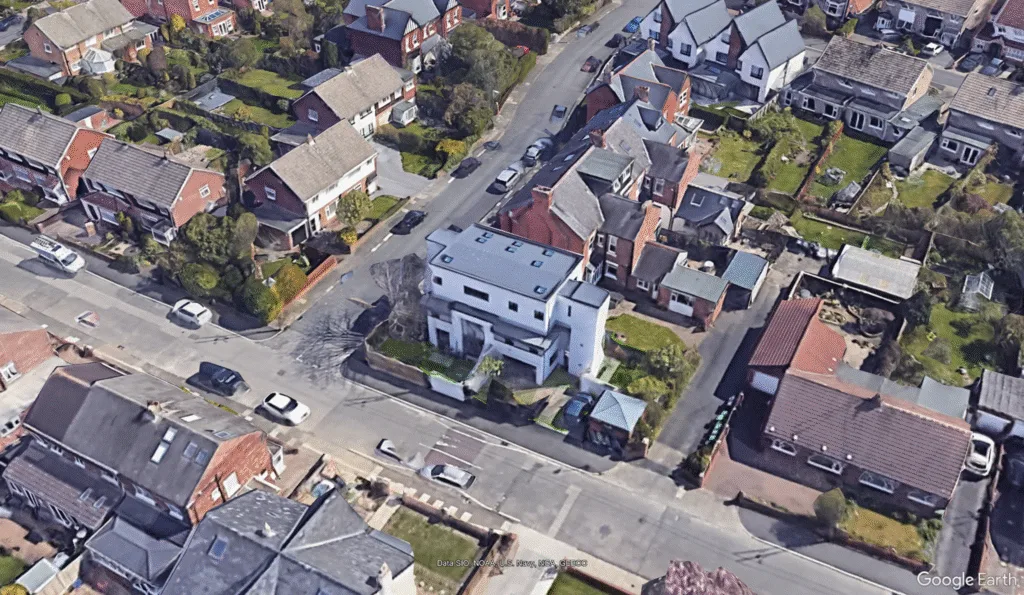
A redundant Sunderland electricity substation became the unlikely shell for a Moroccan-inspired family home. Richard and Anne used the building’s overbuilt concrete structure to reshape the interior, add drama with a stair tower and double-height space, and finish bang on budget despite constant cashflow pressure.
[25] Beating NIMBYism With Lime Render, Reclaimed Brick, and a Modern Cottage Plan
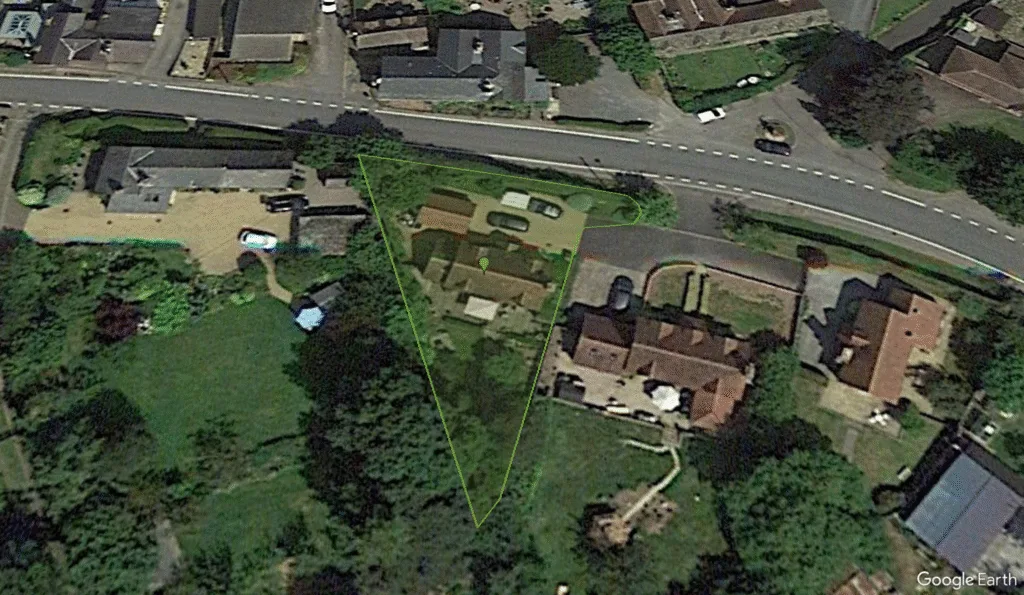
At 25, Ben and Merry dropped a brand new cottage into an ancient Herefordshire village, right under the glare of watchful neighbours. They built fast using an oak frame and SIPs, then softened the whole thing with lime render, reclaimed brick, and small local details so it felt like it had always belonged. It’s a rare low drama self build where the real challenge wasn’t the structure, it was winning the neighbours over.
[24] An Underground Eco House in Cumbria
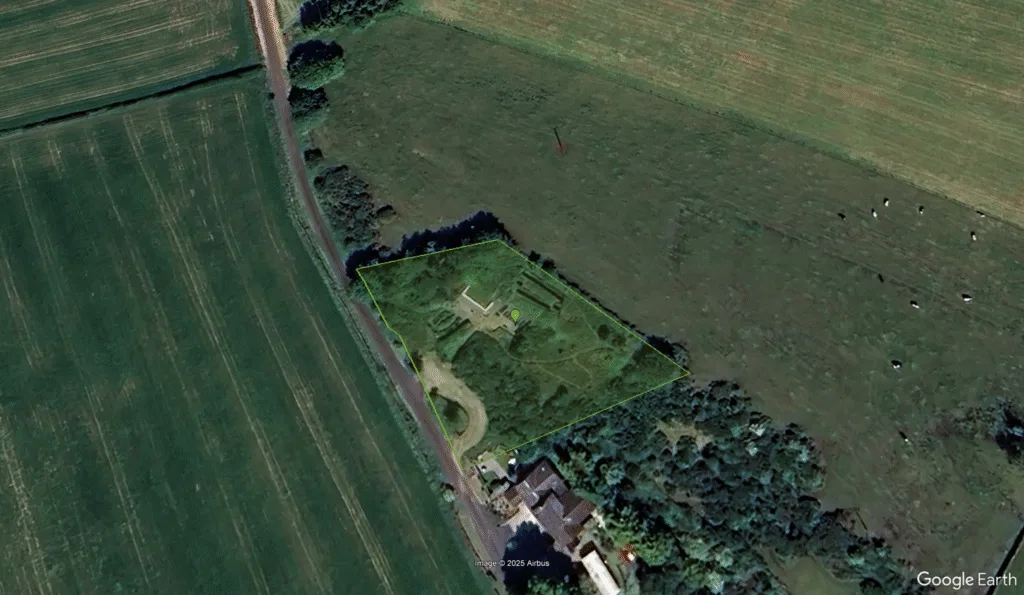
In Cumbria’s Eden Valley, Helen and Phil took a disused sandstone quarry and did something you don’t often see in self build. They put the house into the ground instead of on top of it. The result is an earth sheltered eco home designed to vanish into the landscape, with the ground itself acting as part of the thermal strategy.
The plot was cheap in today’s money, but the build was anything but. This place had to be built like a concrete basement, waterproofed like a swimming pool, then buried under tonnes of earth. And all the way through there was one fear that kept coming back. Would it be too dark to live in?
By the end, the design intent holds up. Sunpipes and borrowed light do more work than you expect, and the finished house feels dry, warm, and calm, not gloomy. It’s a proper long game project, high embodied carbon up front, paid back over time, and proof that “eco” is as much about committing to the performance as it is about the idea.