
[22] A £925k Plot, Piled Foundations, and an Inverted Roof No One Wanted to Build
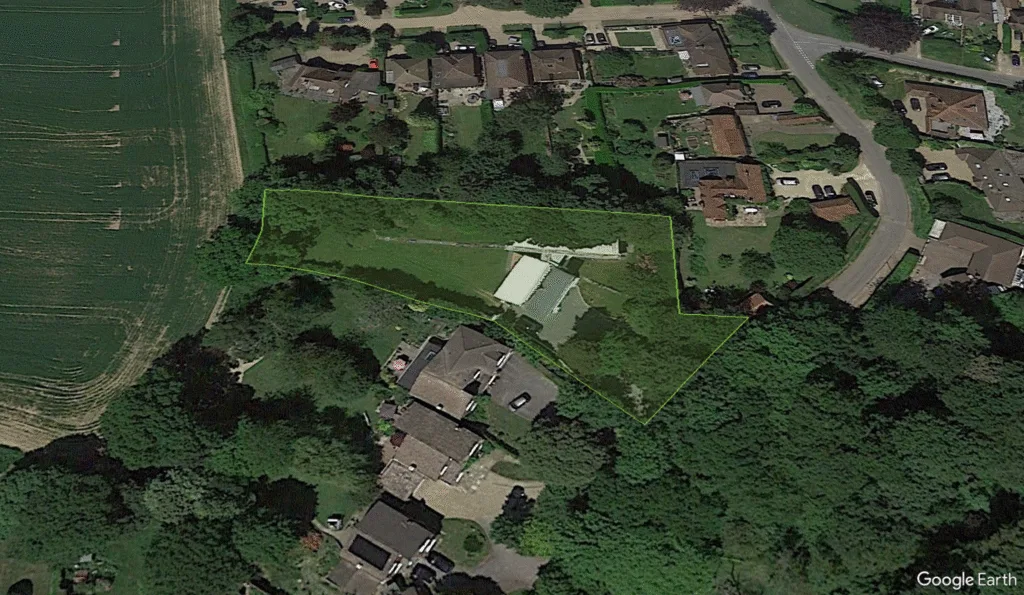
Tom and Judy set out to build Cloud 8, a steel and glass statement house on an expensive Buckinghamshire plot. The vision was bold, but the ground was worse than expected, the foundations escalated, and the project quickly behaved like a prototype instead of a home. Tom chose to self-manage despite limited experience, negotiated every detail to the bone, and stacked risk on risk, complex geometry, specialist steelwork, and a roof concept so unusual most firms would not touch it. The result is a striking shell, but the route there is a masterclass in how ambition, pressure, and a knowledge gap can turn a self build into a long, expensive lesson.
[21] Grade II Listed Surrey Barn Conversion With a 7.5m Atrium Walkway and Interior Pods
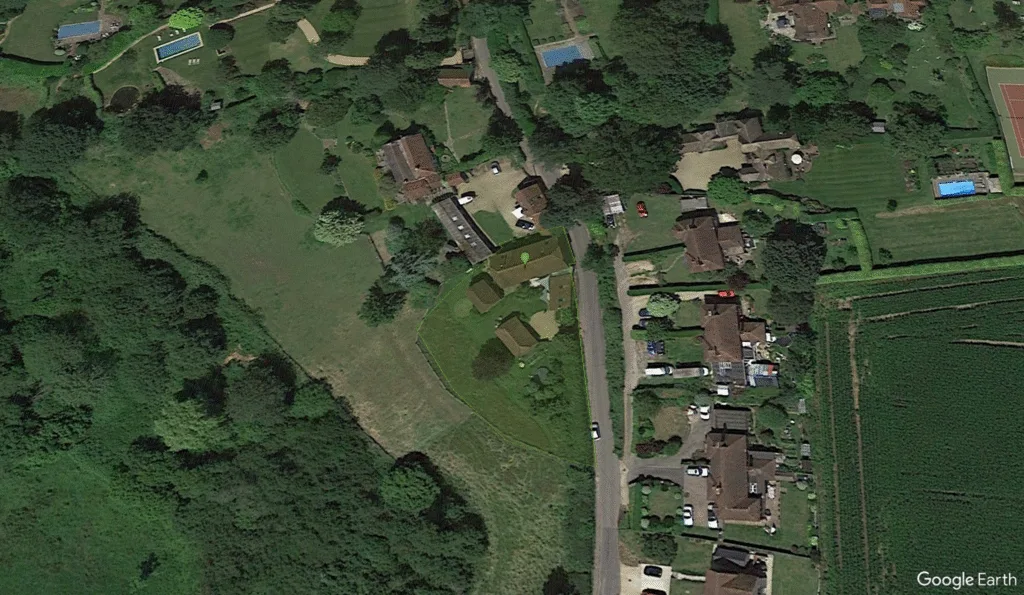
Philip and Angela swap London for a Surrey village and a barn owned by family, then rebuild it from the inside out after a major health scare resets their priorities. The exterior stays largely historic, but the interior becomes a series of pod like rooms linked by a dramatic suspended walkway. It’s bold, expensive for what began as a free plot, and full of lessons about listed constraints, steel that will not forgive, and clients who are always on site.
[20] A Free Plot, a Seven Month Build, and a House He Cannot Sell
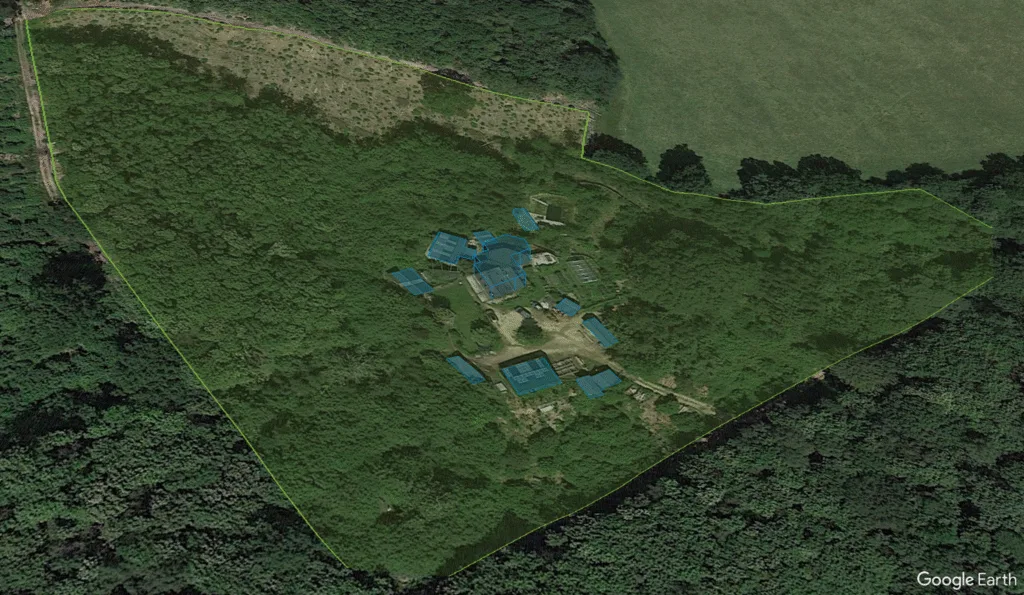
Ben Law spent ten years living in canvas and caravans while he fought for the right to stay in the woods. When permission finally landed, he built a 149m² woodland home in about seven months using his own timber, volunteer labour, and a design process worked backwards from whatever materials he had to hand. The catch is brutal. The house is tied to his woodland business, he cannot sell it like a normal home, and if he leaves, it has to come down.
[19] How Two First Timers Converted a 1938 Waterworks
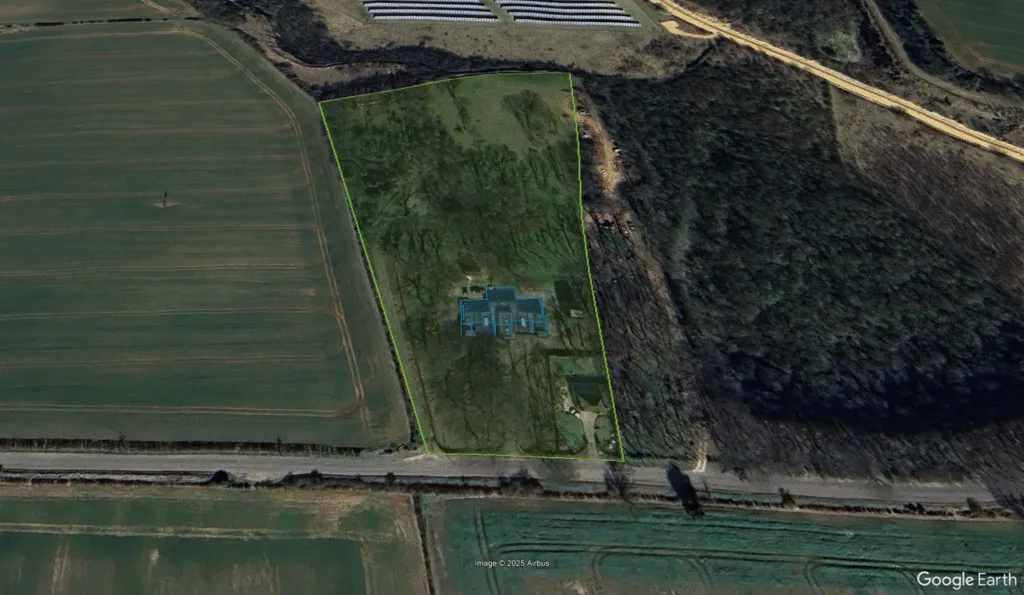
Two complete first-timers spot a disused 1938 waterworks, decide it is the one, and then spend roughly three years forcing it through ownership and planning hurdles just to earn the right to begin. What follows is a conversion defined by scale, twenty eight steel framed windows, a huge internal volume, and a deliberate choice to keep the industrial soul visible rather than paying to hide it. With mortgage stage releases controlling cashflow and momentum, they lean on business discipline, family building advice, and carefully chosen trades to turn an old utility shell into a liveable home without losing what made it special.
[18] A Woodland Self Build With Big Views and a £65,000 Correction
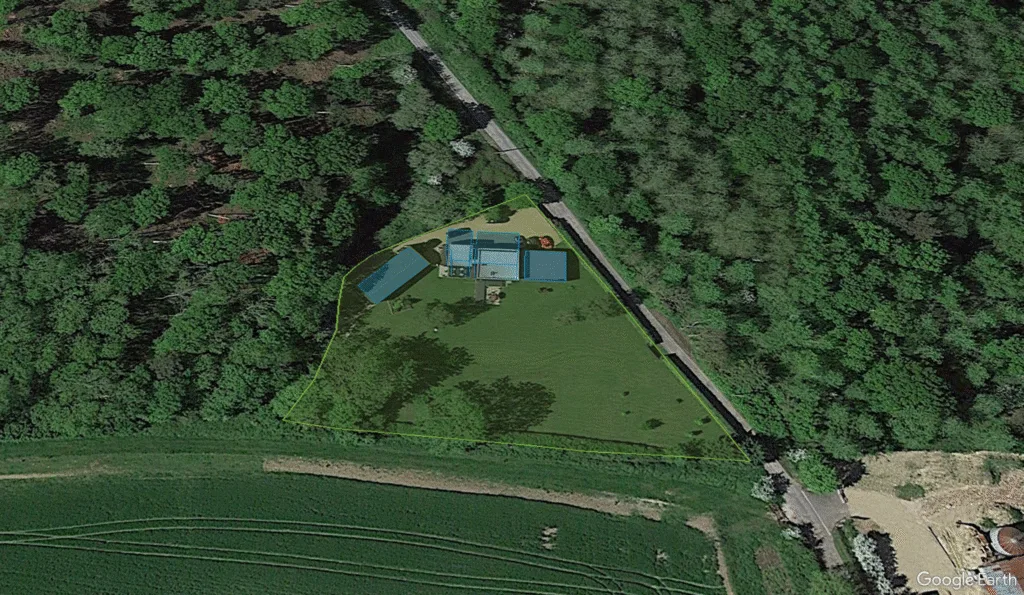
A woodland “wooden box” with a steel frame, big glazing, and big views, started around 2001. On paper it looks clean. In reality, finance is the centre of gravity, bespoke glazing becomes a critical-path trap, and an early sizing doubt turns into a £65,000 extension later. This review breaks down the numbers, the dependency chain that caused the drift, and the self-builder lessons the case study glosses over.
[17] Salvaging a Georgian Town House on a Council Lease: 270m², Tiny Plot, 100% Overspend

Tony and Sharon Relf take on a dilapidated 1820s Georgian townhouse on a council lease in London, restoring it under conservation oversight with no savings and an unpredictable income. It’s a high-risk, high-reward kind of refurb where progress comes in bursts, surprises keep appearing, and the temptation to chase beautiful details can derail the critical path. Their approach is simple and repeatable: get a small “habitable package” finished early, use salvage to turn demolition into design, lean on specialists when it matters, and accept that old buildings reward patience far more than deadlines.
[16] The 20 Year Self-Build and 50% Overspend

Sue and Martin stitched together a 1600s cob-and-stone barn and an 1850s stone barn into a low-energy family home, but the real story is the timeline. They moved in during 2001 and kept iterating for two decades, finally reaching sign-off in 2021. The cost of that patience was a 50% overspend, yet it also bought them something most fast builds never deliver: a home refined by lived experience, where compromises were made consciously, priorities sharpened over time, and the finished result actually matches the life they wanted to build.
[15] The London Jewel Box Infill on 424 m² with 73.73% coverage and 0% overspend
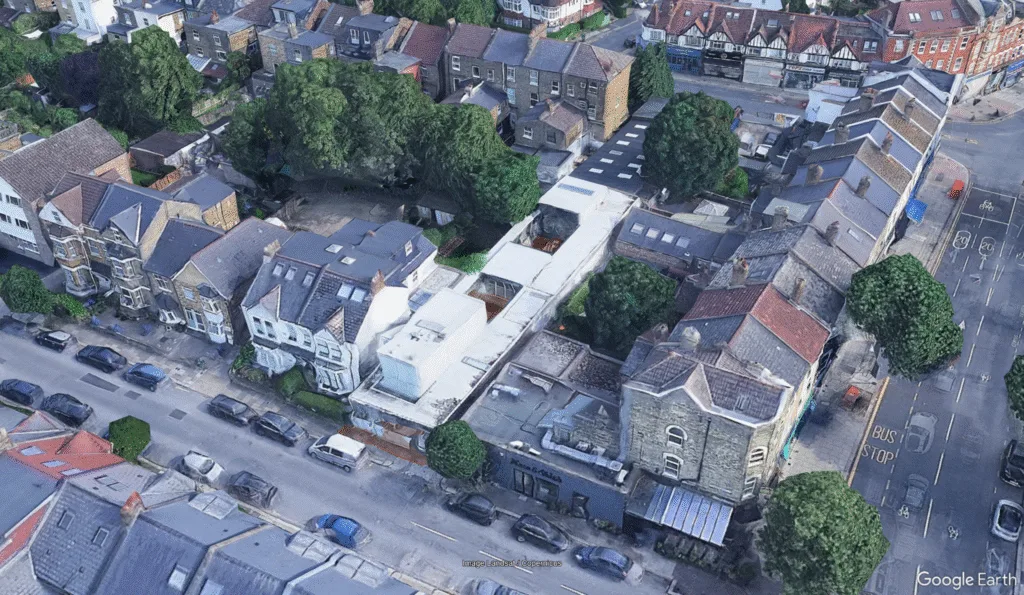
A long, skinny backland plot in North London forced invention, so this “Jewel Box” went heavy on off site fabrication and micro-piles to make a 430 m² live-work home on just 424 m² of land. Site coverage hit 73.73% and the plot ratio topped 101%, yet a fixed-price contract kept the £1.4485m budget locked to the pound with 0% overspend. They bought before consent, leaned on a tight visual brief, and navigated the complexity of custom glazing and glued joints. Bold, intense, and cost controlled, it is a case study in using procurement and method to tame a tricky city plot.
[14] £1,393 per m² with 0% overspend. Is community self build the template to build more housing

A managed co-build in Birmingham delivered finished homes at £1,393 per m² with 0% overspend, against an all-builds average of £3,089 per m² and a typical 66.7% blowout. Eleven first-timers traded weekly hours for equity under a housing association, using a simple timber frame, brick cladding, and a few teachable modules like roofing to keep costs in check. The question is whether this people-first playbook, paired with smarter funding like a self-build levy, could scale into real volume across England.
[13] Inside the oak frame house that ran 40 percent over on a 1 percent footprint

Set high on a ridge in the Lambourn Valley, Rupert and Julie set out to replace a tired bungalow with a cruciform oak-frame home shaped around views in every direction. The plot was enormous, more than 22,000 square metres, yet the house touched barely one percent of it. That tiny footprint hid some very big numbers. The green oak frame alone needed around 85 trees and pushed past its early estimates by nearly £30,000. By the time 190 panes of specialist glazing were fitted and the bespoke joinery was complete, the project had drifted more than 40 percent beyond its intended budget.