|
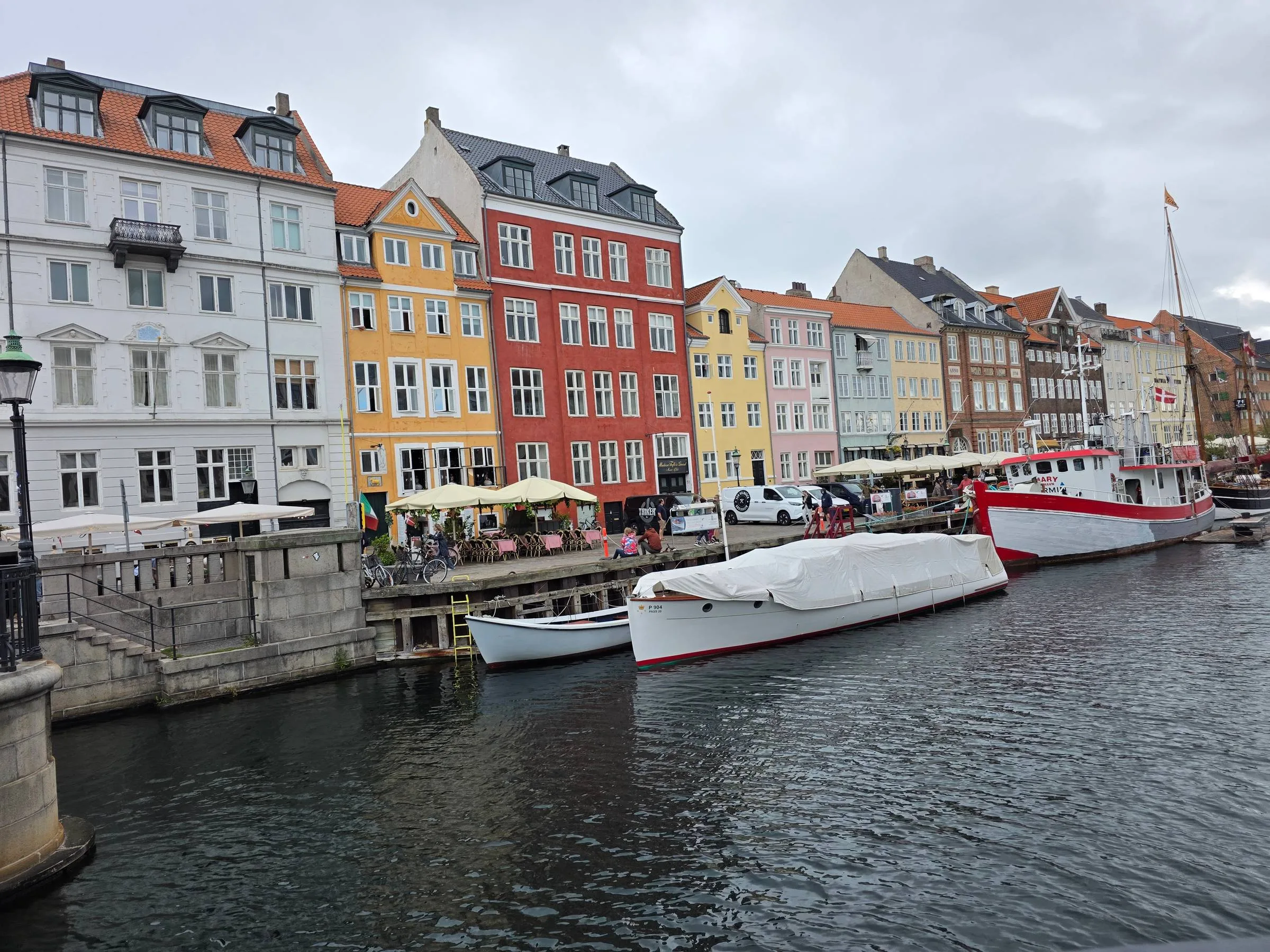
Good evening! I’ve just got home from a trip to Copenhagen so I am having to rush this weeks newsletter, as a compromise here’s a picture of Nyhavn! Apparently the buildings were coloured differently because the fishermen were illiterate so it helped inform them of where to deliver their cargo and where to report to. The colours then stuck as it formed part of the character of the district. I thought that was quite a simple but creative way to get around a problem.
I’ll continue writing next week, in the meantime here is: This week’s biggest self-build news…Ministers keep affordable housing requirements on medium-sized sites17 August 2026 The Government has dropped a proposal that would have allowed developers of schemes between 10 and 49 homes to make financial contributions towards affordable housing rather than necessarily providing it on site. The National Housing Federation had estimated the proposal could have cost 32,000 affordable homes over a decade, with rural areas particularly exposed. Read the Guardians article here… This is mainly a developer story, but it matters if you are looking at custom-build sites or considering a small group development. The economics of a 10-plus-home scheme can be very different from a single self-build. I would therefore be careful about scaling up a promising piece of land without first checking what affordable housing and other planning obligations that larger scheme triggers. Construction materials are still getting more expensive5 August 2026, not quite this week… The latest Government construction-material statistics show material prices for new housing were 5.0% higher in June than a year earlier, and increased another 1.6% in June alone. Across all construction work, annual material inflation was 6.0%. From my financials dashboard of the Grand Reviews, after 51 case studies it shows that build costs average as 72.58% of the total build cost. This typically combines material and labour, but it is a dominant part of a build so a 6% increase in costs is significant over just one year. The next energy price cap arrives by 26 August19 August 2026 Ofgem says it will publish the price cap covering 1 October to 31 December 2026 by 26 August. The current cap is £1,862 for a typical dual-fuel Direct Debit household, 13% higher than the previous quarter. Average capped rates are currently 26.11p/kWh for electricity and 7.33p/kWh for gas. For anyone comparing heat pumps, solar or batteries, you will need to consider this new rate rather than relying on an annual bill headline. The electricity-to-gas price ratio matters much more when modelling technologies that move household energy use from gas onto electricity. Brendan |